Discovering the deep appeal of Skimmia
For gardening enthusiasts and landscape professionals, we introduce the characteristics of beautiful Skimmia, a gallery of its diverse varieties, and expert cultivation methods.
Beautiful Skimmia: Its Characteristics and Appeal
Why Skimmia captivates florists and gardeners

a unique texture that creates a luxurious and chic palette
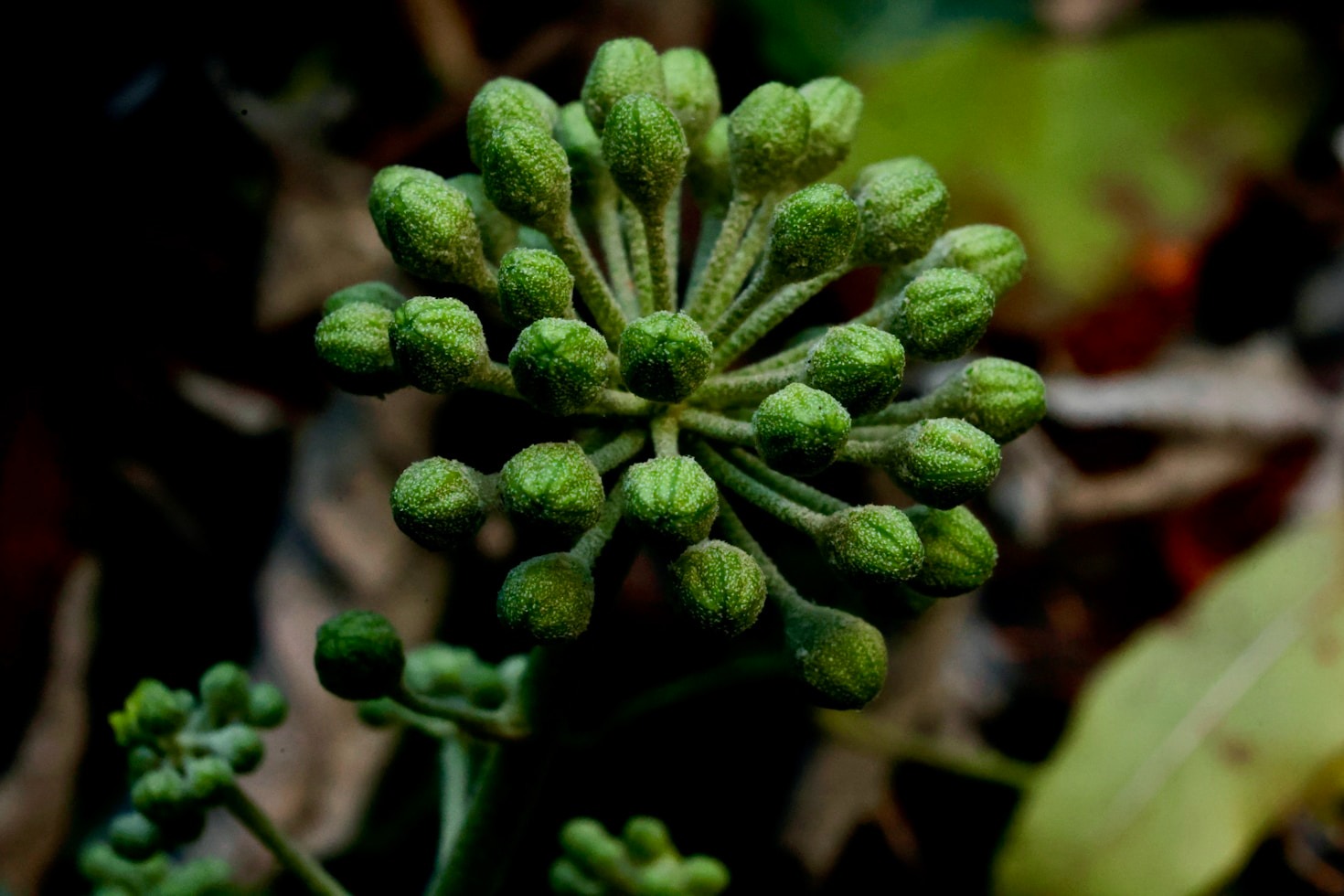
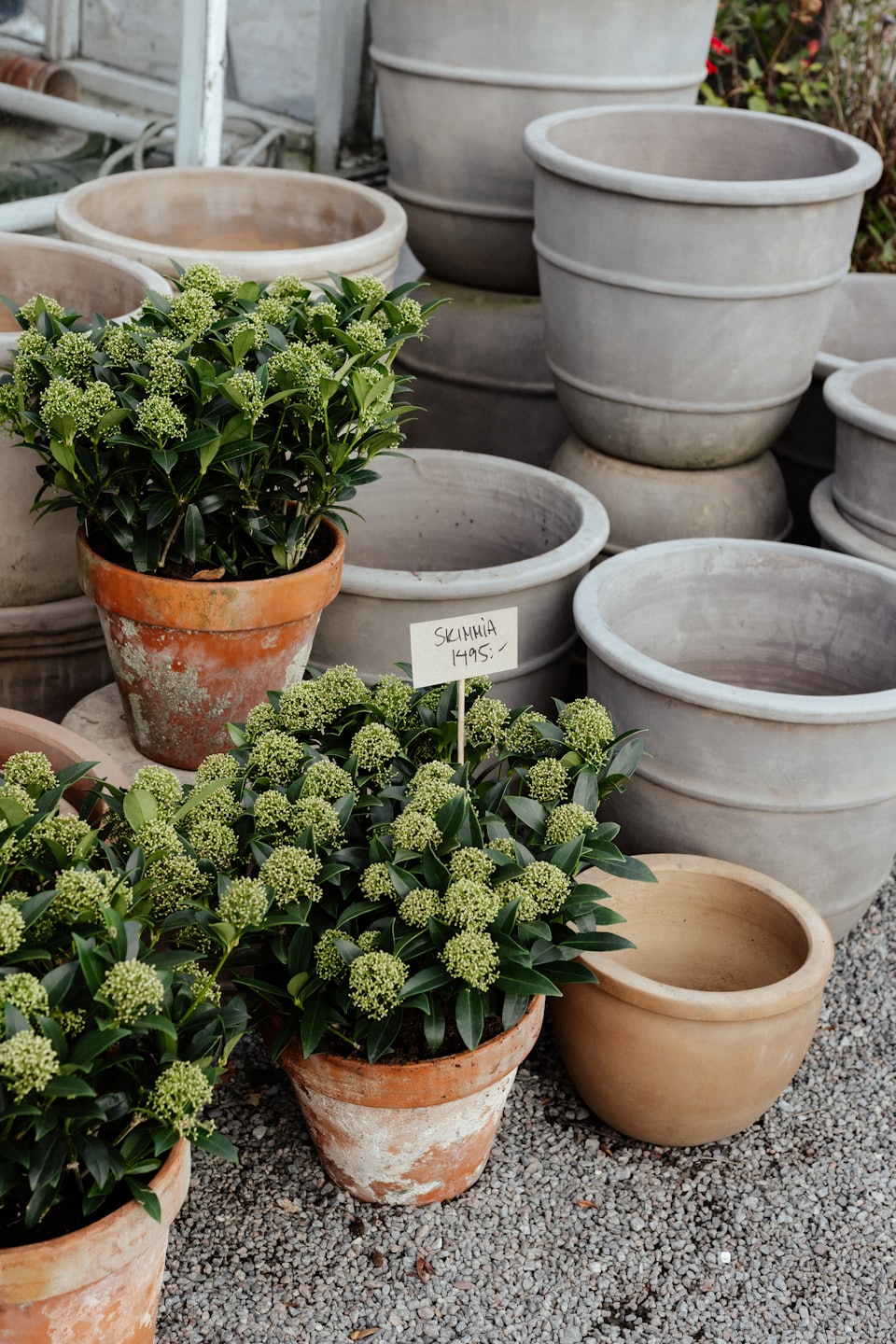
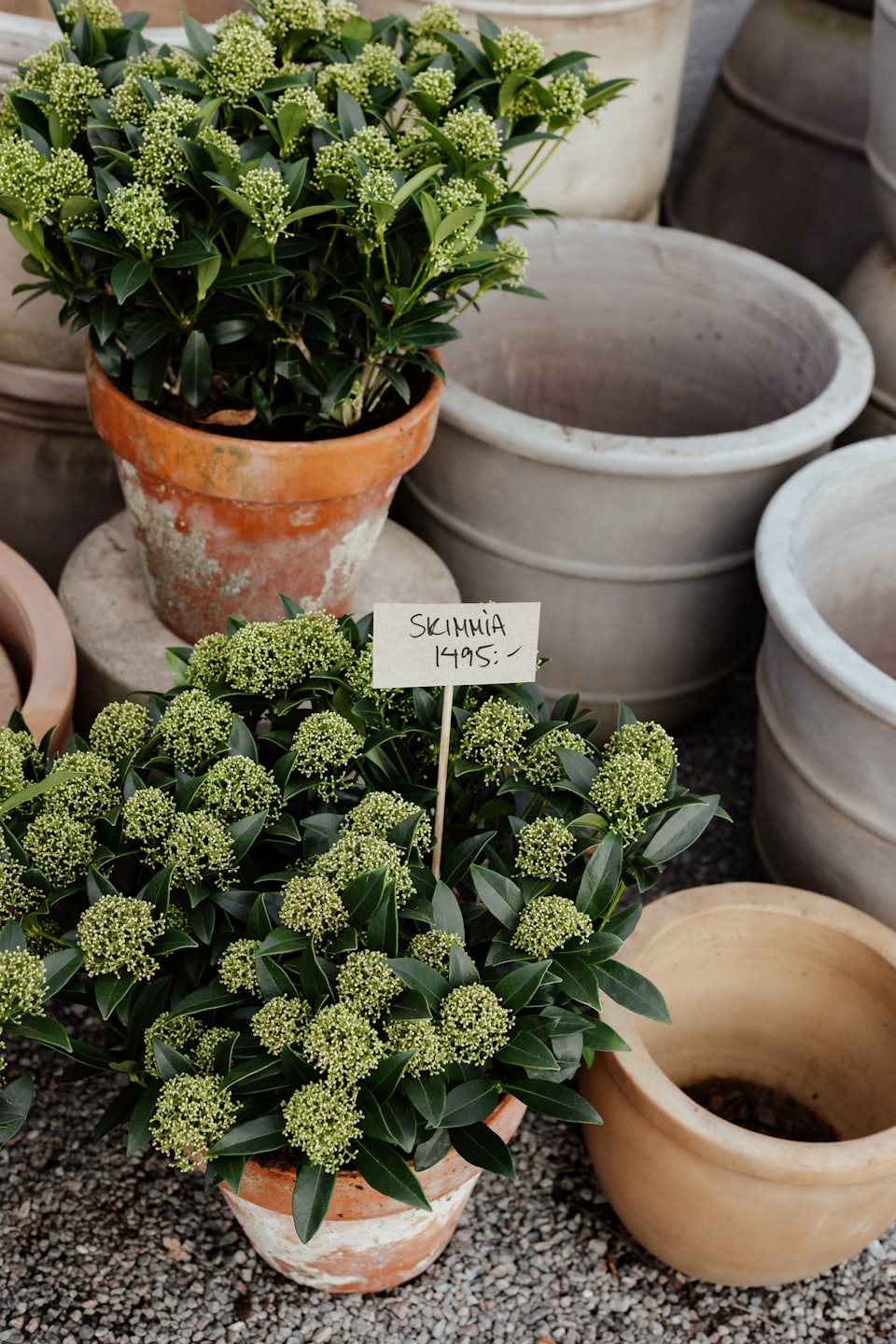
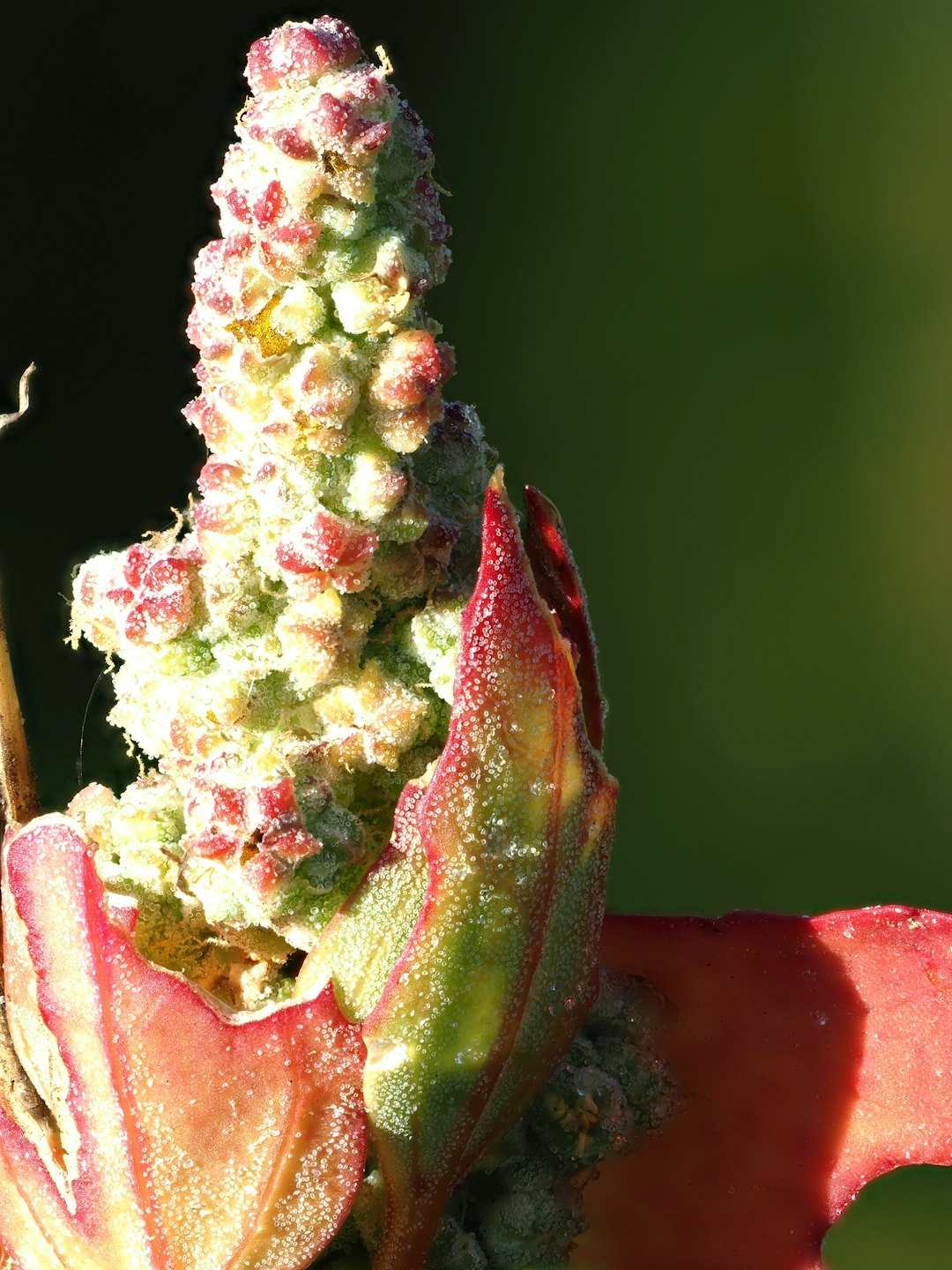
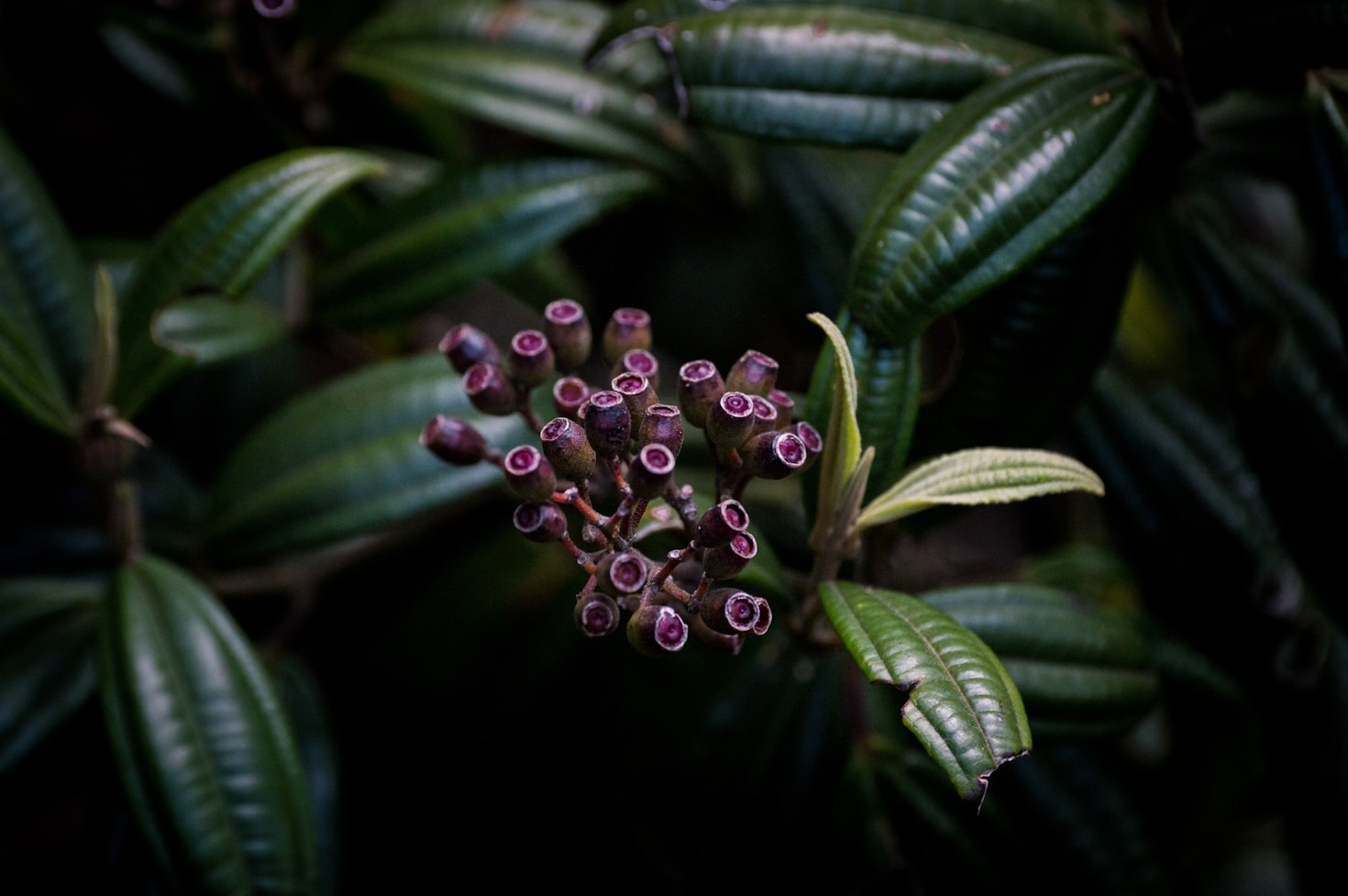
The contrast between the small, textured clusters of tiny buds (flower spikes) and the glossy, dark green leaves creates a unique sense of dimension and elegance found in no other plant.
There is a rich variety of colours that create a sophisticated atmosphere, such as the deep red represented by bright red "Rubella", muted green, and chic burgundy.
Just by adding a small amount, it gives the whole arrangement a luxurious and sophisticated atmosphere, making it an essential element for high-value designs for Christmas and the New Year.

The "freedom of design" that looks great as either cut flowers or potted plants
Florist's perspective (cut flowers): As they absorb water well and have an exceptionally long vase life, they are invaluable for bouquets, swags, wreaths and Christmas arrangements. Another major advantage is their resilience to drying, meaning they retain their shape well even when dried.
Gardener's perspective (potted plants and garden trees): Preferring partial shade (shade gardens), highly hardy and remaining compact, it performs brilliantly as the star of winter container arrangements or as an accent for poorly lit gardens.

The "budding period" is overwhelmingly long, allowing it to be enjoyed throughout autumn and winter
Skimmia's greatest strength lies in its remarkable durability, with its beauty remaining completely unfaded for about half a year, from autumn (around October) to early spring (around March).
Enjoy the changes: as the cold increases, the buds grow redder and deeper in colour, and in spring they bloom, releasing small white flowers and a gentle fragrance. This long-running narrative quality is highly appreciated.
Enchanting Skimmia: Dutch-grown or locally grown, which will you choose?
Dutch and domestic (Japanese) Skimmia each have their own merits, but there are clear differences in their "market positioning" and "cultivation environment and varieties".
1. Uniformity of quality and "beauty of colour and shape in the finished product"
- Product of the Netherlands: The Netherlands is a global production and research hub for Skimmia, where they are mass-produced in state-of-the-art, highly climate-controlled greenhouses. Therefore,Uniformly high quality with dense buds, vibrant colouring, thick stems and glossy leaves, which is why it has gained overwhelming trust from professional florists, as there is little variation regardless of which batch you purchase.
- British-grown Japanese growers possess high individual skill and practise meticulous cultivation, but because production scales and facility environments vary from farmer to farmer, there is a tendency for individuality (variability) to easily emerge in coloration and tree shape depending on the production area or individual specimen.
2. Variety of cultivars and 'cutting-edge appeal'
- Product of the Netherlands: Starting with the representative red 'Rubella', along with the green 'Finchy', and the white-to-pink 'Magic Mallow',Breeding (variety improvement) is progressing, and there is an abundance of the latest varieties tailored to trends.is. In addition, special varieties and grades cultivated for long, straight stems suitable for cut flowers have been established.
- British-grown The varieties cultivated within Japan are still limited, and cultivation mostly centres on major varieties introduced from the Netherlands, such as Rubella.
3. Japan's "climate adaptability" and distribution costs
- British-grown My greatest strength isability to adapt to the heat and humidity of Japanese summers. Plants grown and hardened in our domestic environment (especially through the summer) have excellent durability for long-term cultivation (surviving the summer) in the Japanese climate for many years after purchase, whether planted in the garden or in pots. Another advantage is that the short transport distance results in minimal transit stress.
- Product of the Netherlands: Strict quality control is maintained as they are delivered by air freight, but since they grow in the cool, dry climate of Europe, a little know-how is needed to help them survive the Japanese summer when used for gardening.
Summary
- Product of the Netherlands: Stunning colour intensity and flower count, consistent quality, and an overwhelming variety of cultivars (ideal for cut flower arrangements and high-end designs)
- British-grown Japan's resilience to summer heat and meticulous craftsmanship (highly durable for long-term gardening and garden tree use)
When seeking professional, sophisticated high quality and stable supply, authentic Dutch products are inevitably chosen as the industry standard.
Skimmia: Varieties and their appeal
A must-see Skimmia variety gallery for gardening fans and landscape gardeners.
A diverse range of beauty. Introducing the main varieties of Skimmia
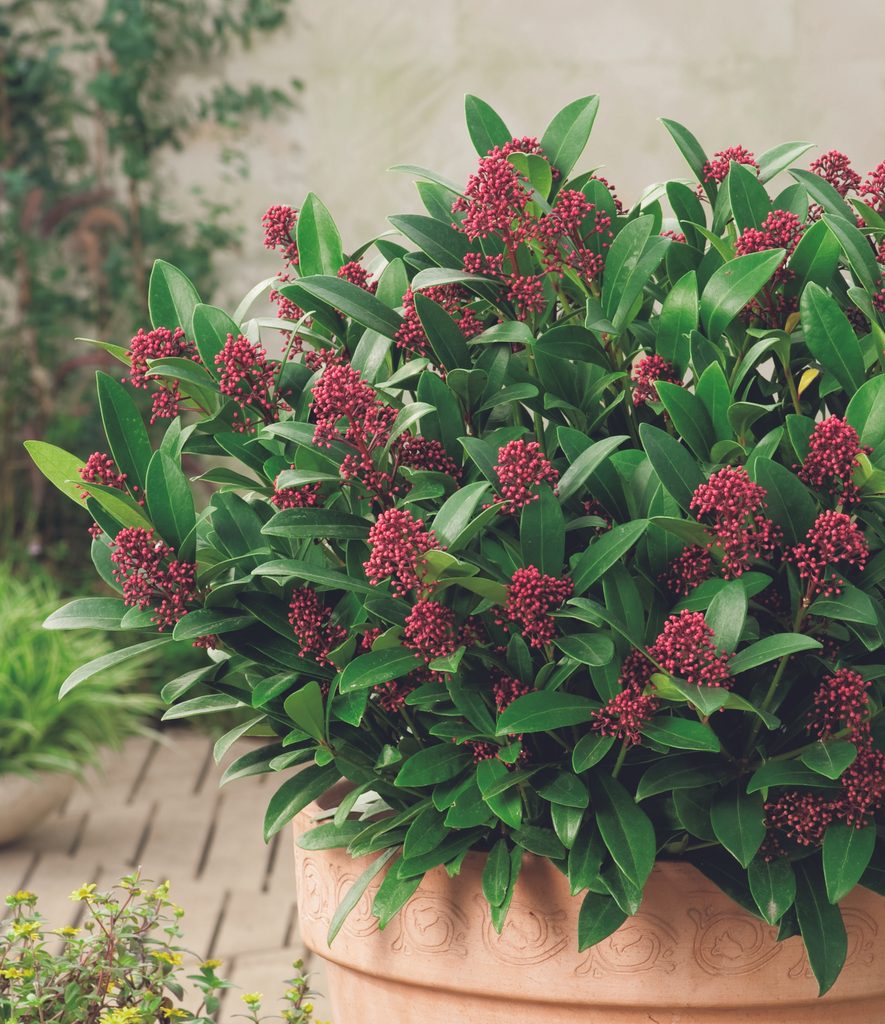
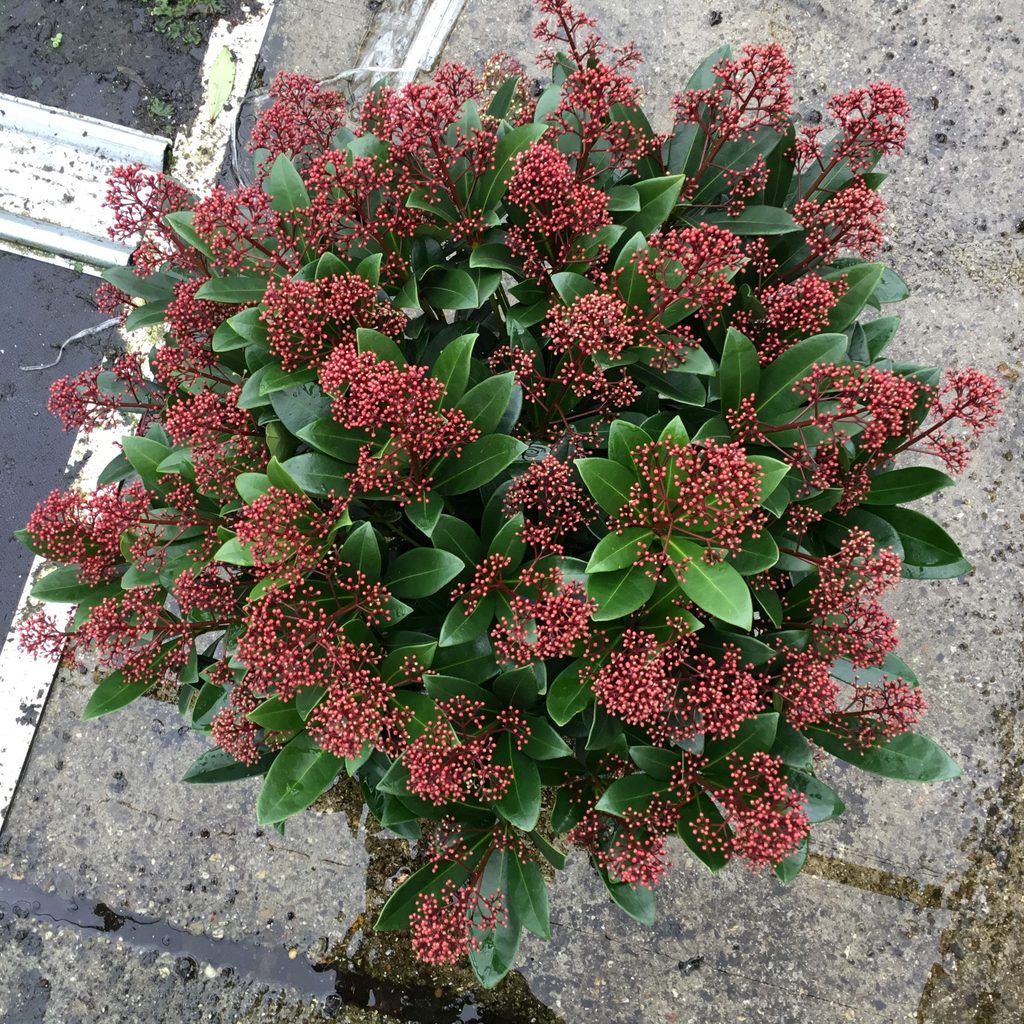
Skimmia Rubella Skimmia jap. Rubella
An overwhelming and unrivalled density of crimson buds. Skimmia's iconic, most popular classic variety
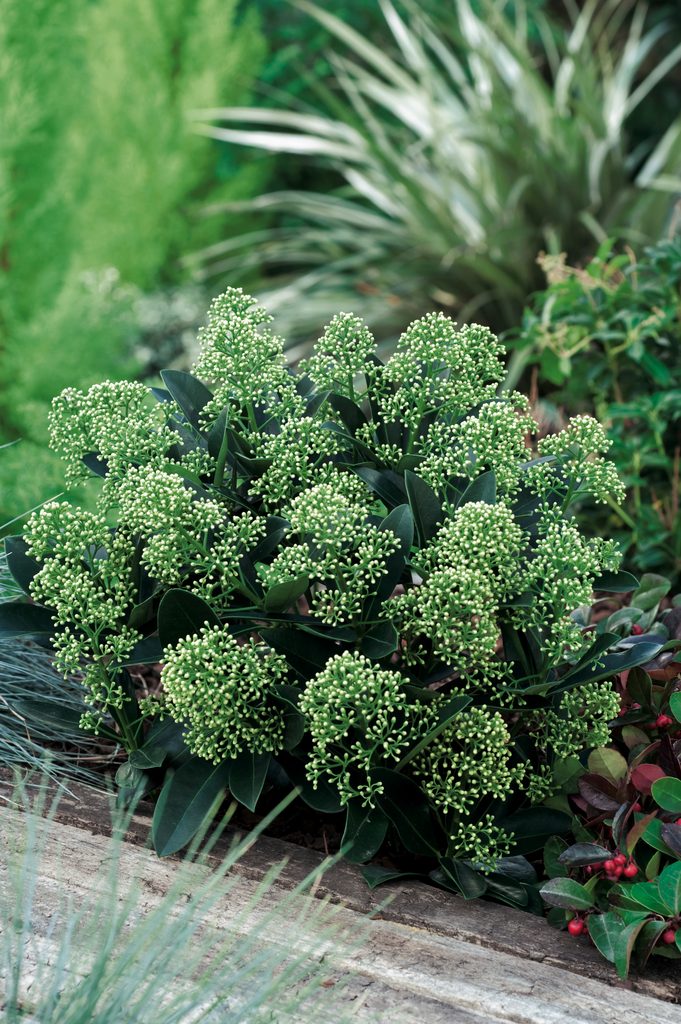
Skimmia japonica 'Finchy'
Soaring in popularity and rivalling red Rubella! The striking lime green brilliantly brightens up winter spaces.
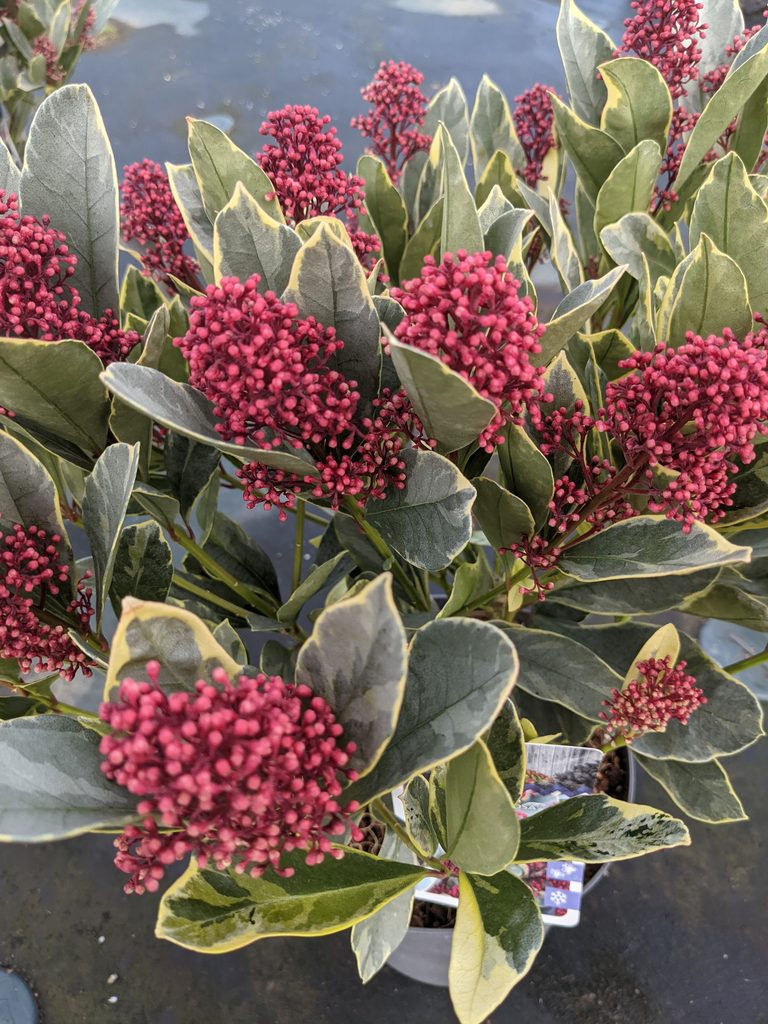
Skimmia Perosa Skimmia jap. Perosa
Featuring soft nuance-coloured buds and silver leaves characterised by muted tones. It creates a subtle, calm and sophisticated look.
Skimmia japonica 'Magic Marlot'
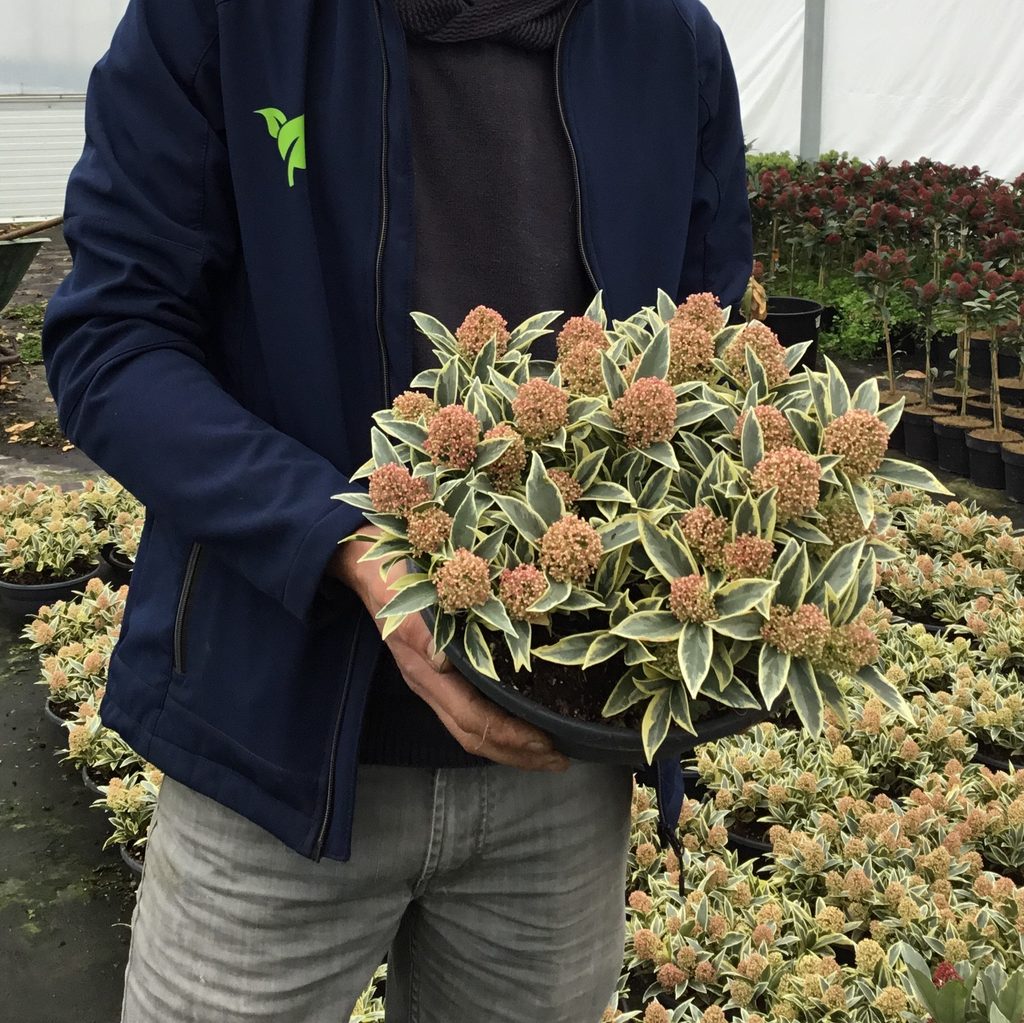
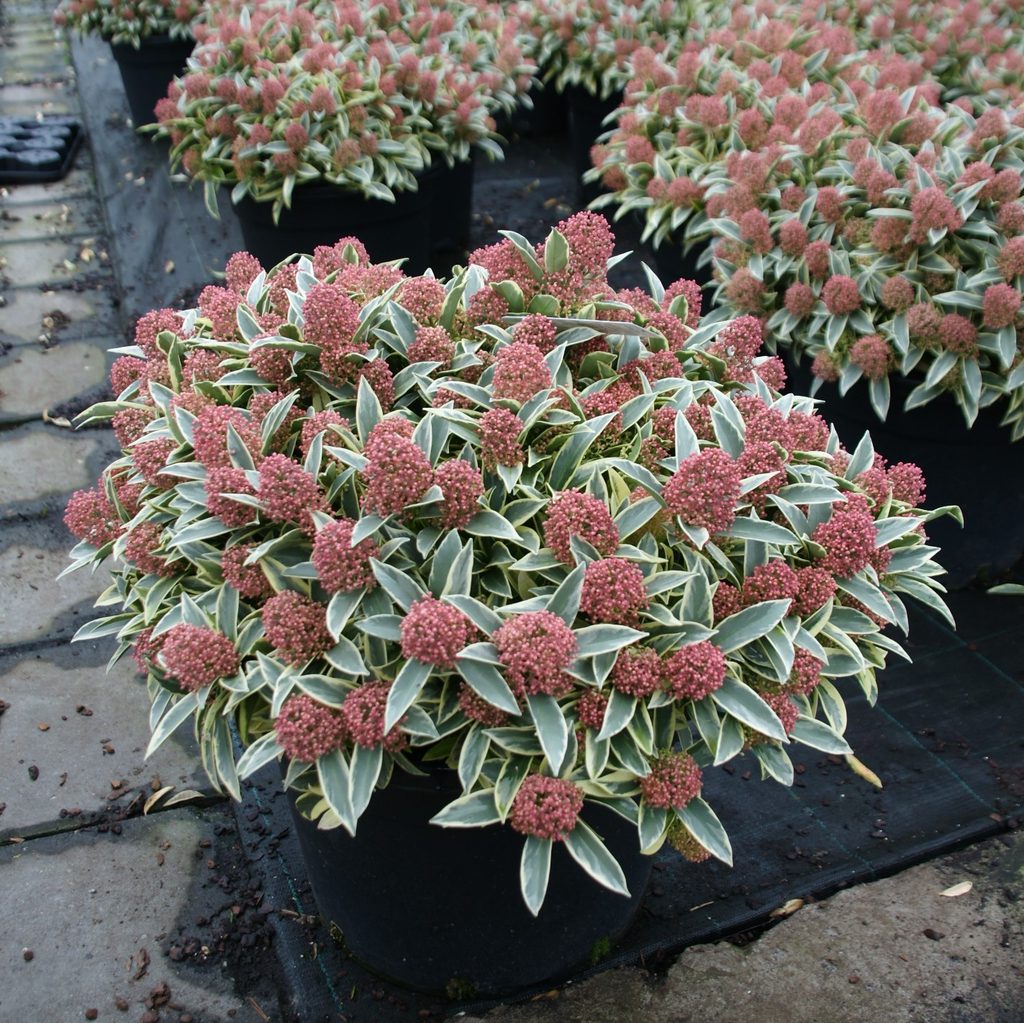
An exceptionally popular variety hailed as the pinnacle of Skimmia, featuring unrivalled tiny leaves with white margins and flower buds that magically transform from creamy white to pink. It has a compact growth habit and an extraordinary number of buds.
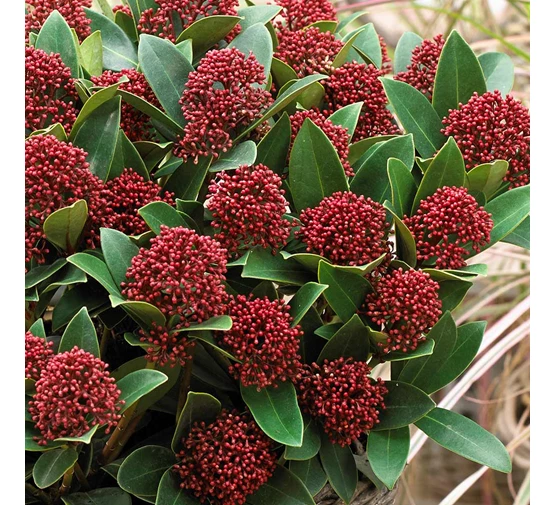
Skimmia japonica 'Red Dwarf'
Similar to 'Rubella', but a cultivar for connoisseurs. Slightly smaller than 'Rubella', it is characterised by a neat, compact and tight form. Packed densely with deep red buds, it is perfect as a focal point for small potted plants or mixed containers. It is often used in mixed plantings with herbaceous plants and in gathering baskets.
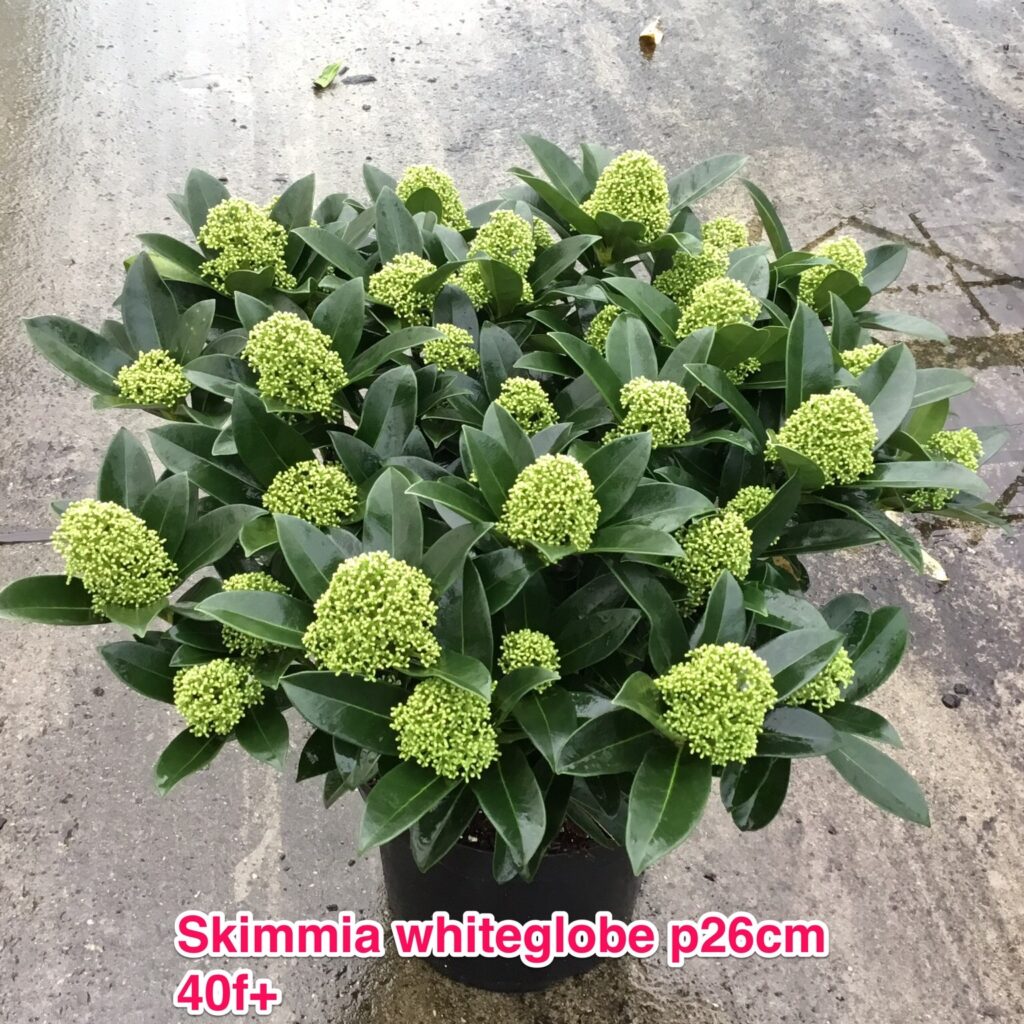
Skimmia japonica 'White Globe'
With a compact habit reminiscent of a red dwarf, it is densely packed with vibrant green buds that evoke a finch. When they open, they turn a pristine white, adding a refreshing splash of colour to mixed plantings.
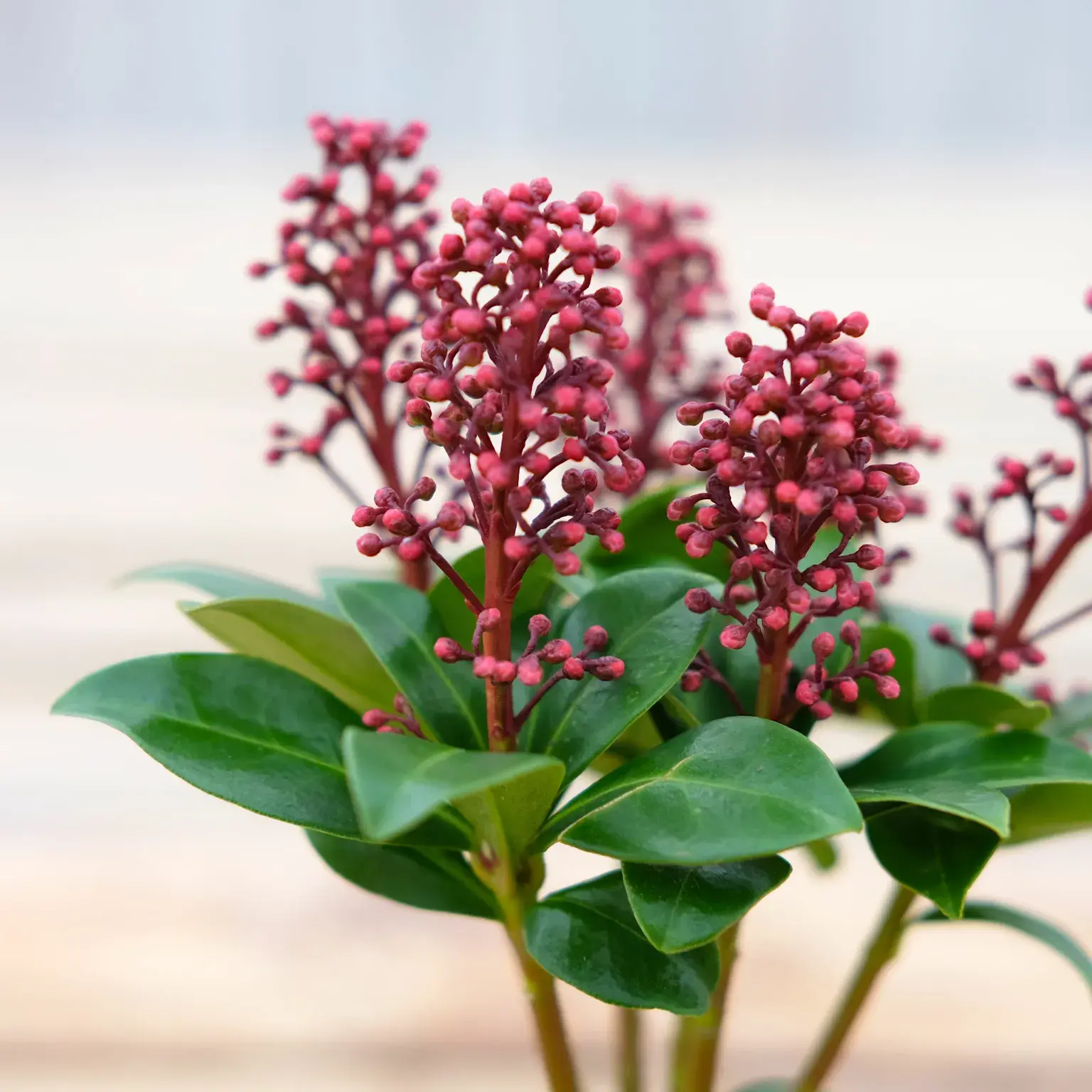
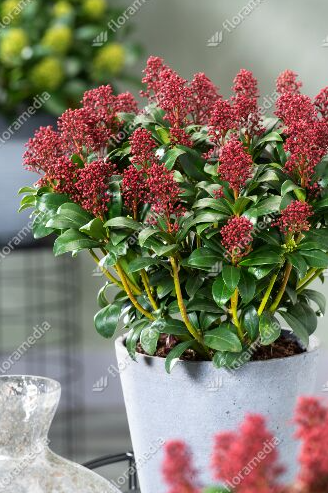
Skimmia japonica 'Celebration'
It is a compact, male evergreen shrub featuring glossy, dark green leaves and a neat, rounded habit. Its dense growth maintains a reliable structure throughout the year, making it particularly well suited for shady borders and container planting on patios.
In autumn, large quantities of deep pink to red flower buds are formed, which remain attractive throughout the winter, and in spring, fragrant white flowers with a pale pink tint bloom. The fragrant flowers brighten the early spring landscape and attract pollinating insects such as bees.
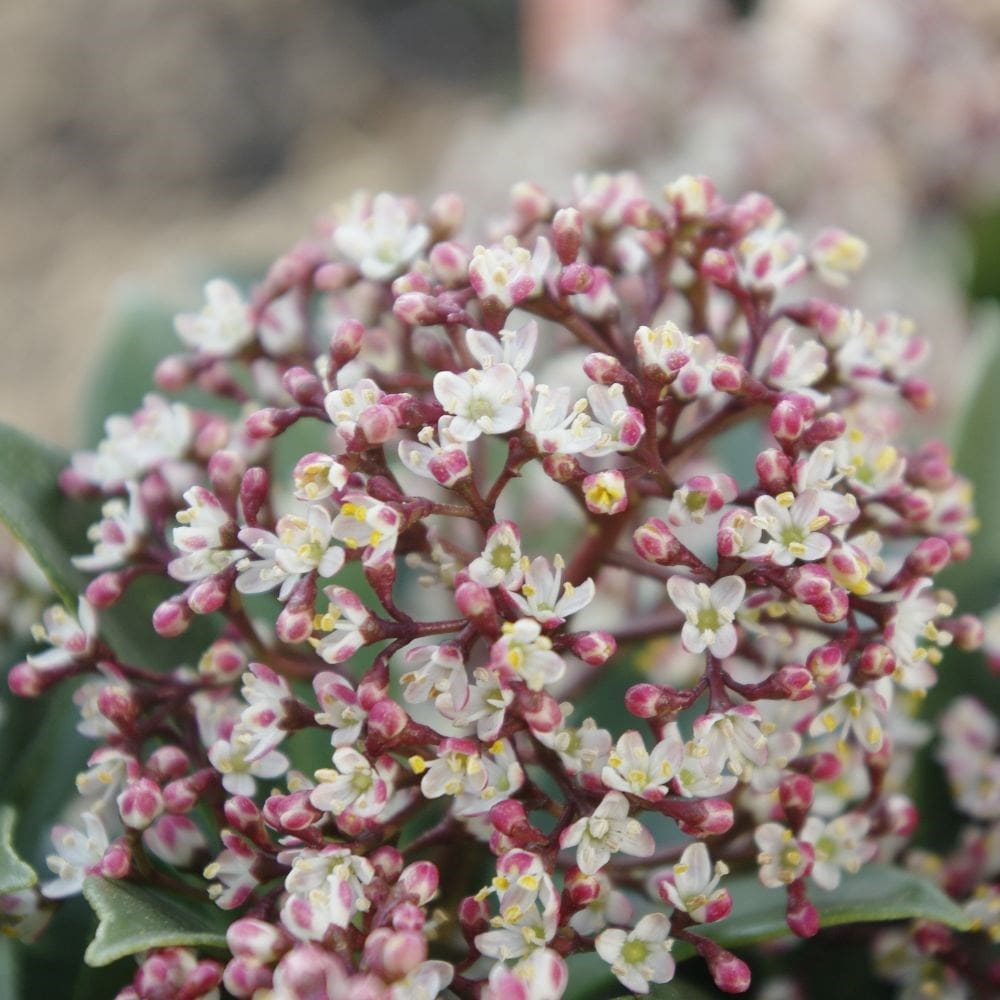
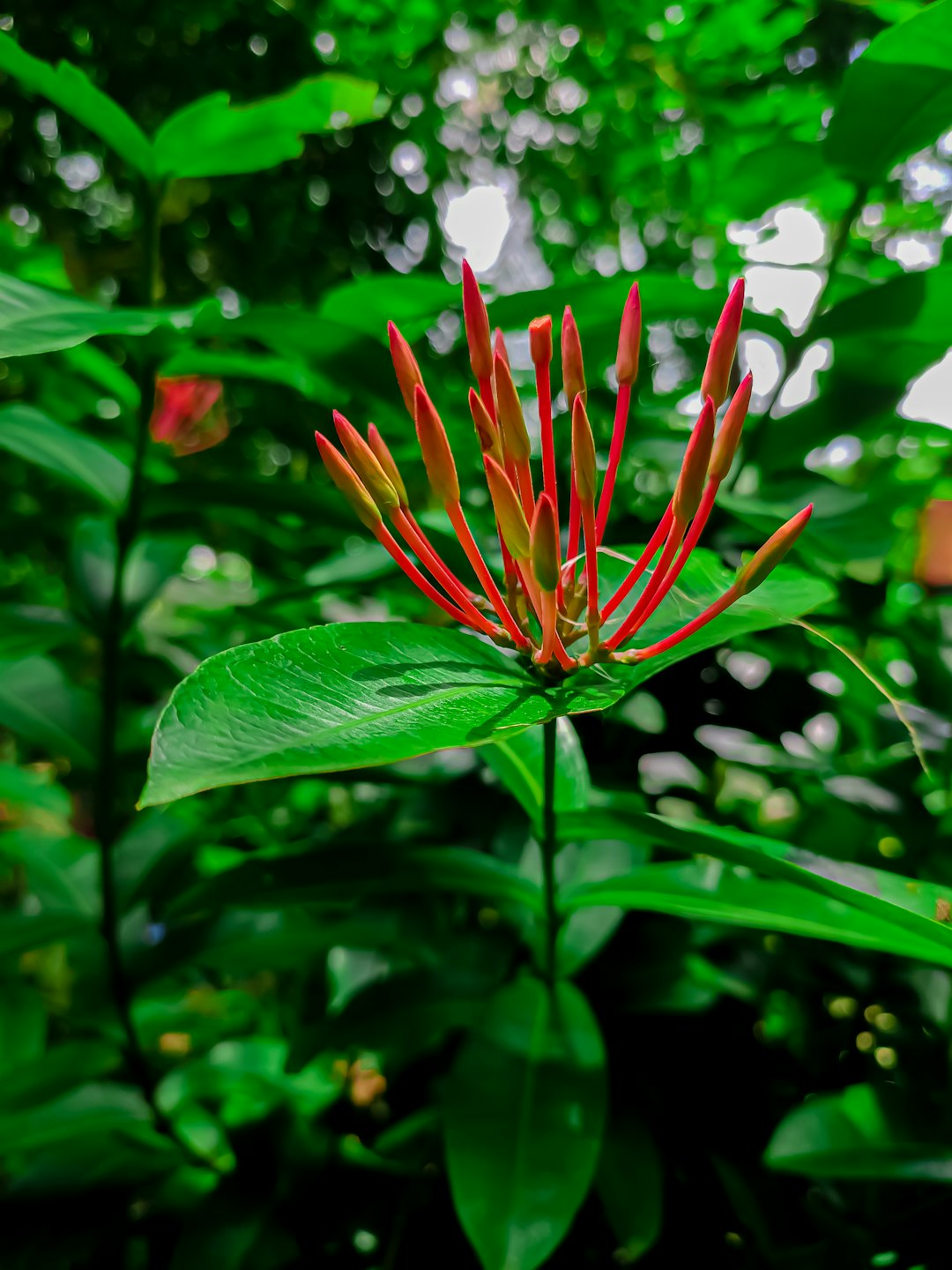
Skimmia flowers: small matchstick-like buds bloom around the time cherry blossoms open. From the opened buds drifts the citrus fragrance characteristic of the Rutaceae family, appealing to the sense of smell with the arrival of spring.
Characteristics as a plant, cultivation methods and uses
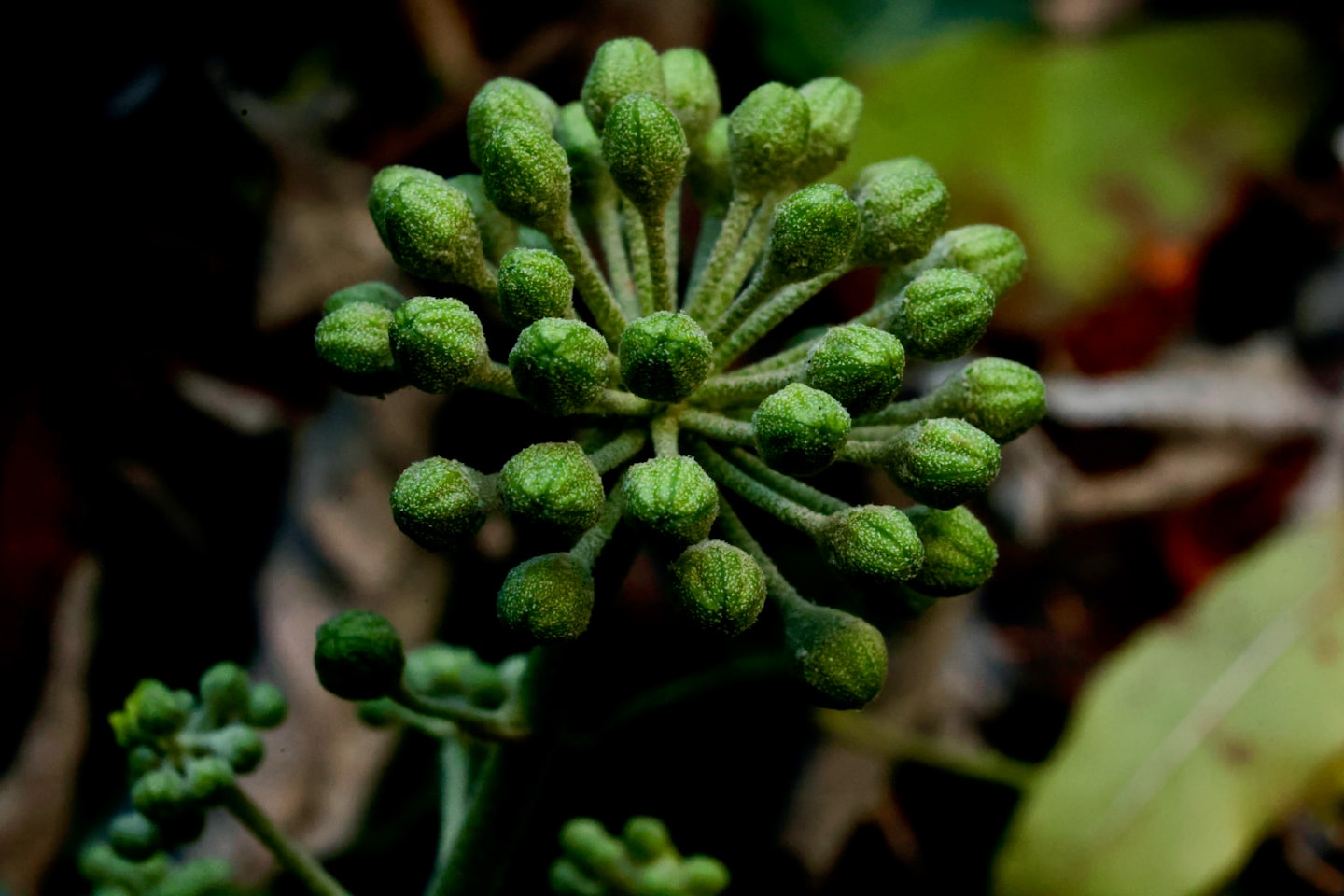
Skimmia is this kind of plant
Here is a clear explanation of the basic characteristics of Skimmia as an evergreen tree.
Management from spring onwards
A must-see for gardening fans; learn cultivation management for healthy growth and how to incorporate it into landscaping.
application
Mr Skimmia presents practical examples of Skimmia
Column
We share useful information on the characteristics of Skimmia, attractive varieties, and detailed cultivation methods, delivering inspiration to gardening fans and landscaping professionals alike.
-
-
Skimmia styling tips that go brilliantly with your interior decor
This paragraph serves as the introduction to a blog post...
-